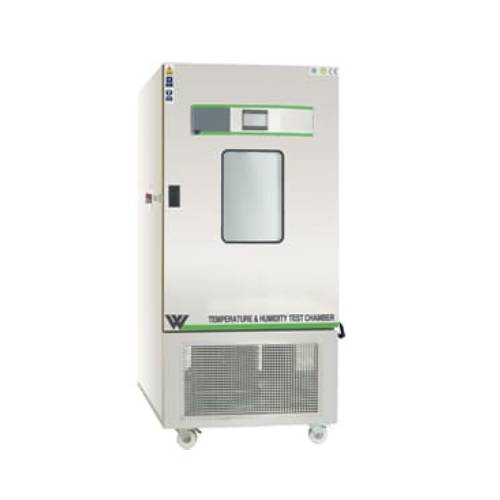
Reach-In Humidity Test Chamber
Explore Reach-In Humidity Test Chamber models, product information, configurations and available options.
Price on
requestConfigured to your requirement · Quote in 24 h

Browse the individual Humidity Test Chamber models available in the legacy ACMAS product range.
Explore Reach-In Humidity Test Chamber models, product information, configurations and available options.
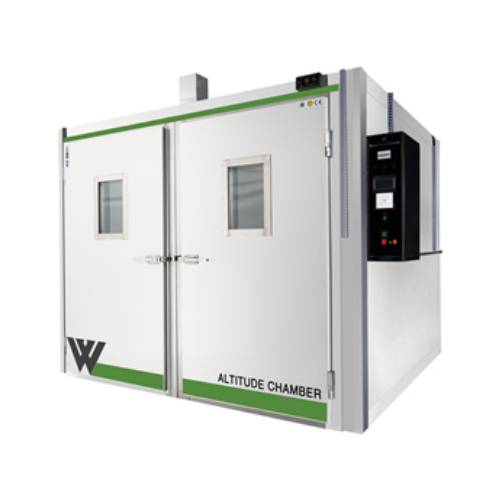
Explore Walk-In Humidity Test Chamber models, product information, configurations and available options.
A Humidity Test Chamber is essential laboratory equipment used to evaluate how products, materials, and components respond to controlled humidity and temperature conditions. It helps manufacturers assess product stability, durability, reliability, and performance under different environmental conditions. ACMAS Technologies offers humidity testing solutions for industries such as pharmaceuticals, automotive, electronics, electrical equipment, research and development, and manufacturing.
By maintaining controlled environmental conditions, a Humidity Test Chamber supports quality control, product development, and reliability testing. It enables organizations to evaluate moisture-related effects, identify potential weaknesses, and gather useful data for product improvement. Selecting the appropriate chamber according to temperature and humidity ranges, specimen size, control accuracy, and testing requirements is important for achieving consistent and meaningful results.
A Humidity Test Chamber is specialized testing equipment designed to create and maintain specified humidity conditions, often alongside controlled temperature. It is used to evaluate how exposure to moisture and environmental changes affects products, materials, and components.
These chambers are widely used for testing electronic assemblies, pharmaceutical products, automotive components, packaging materials, and industrial products. Depending on the application, testing may help assess moisture sensitivity, material changes, product stability, corrosion-related concerns, and performance under defined environmental conditions.
A suitable chamber provides controlled conditions that support repeatable testing procedures and reliable documentation.
A Humidity Test Chamber operates by regulating temperature and relative humidity inside an enclosed testing space. Its control system manages the environmental conditions according to the selected test program and the chamber's capabilities.
The general testing process involves:
The exact operating procedure depends on the chamber design, test method, and requirements of the application.
When evaluating a Humidity Test Chamber, buyers should consider the features needed to support their specific testing applications.
When evaluating a Humidity Test Chamber, buyers should consider the features needed to support their specific testing applications.
Actual operating ranges, control accuracy, available programs, and optional features should be confirmed against the product specifications.
Humidity Test Chambers support environmental evaluation in a wide range of industrial, scientific, and laboratory applications.
The correct testing method depends on the product, the intended use, and the relevant industry requirements.
A Humidity Test Chamber helps organizations evaluate product behavior under controlled environmental conditions and make better-informed quality decisions.
Results depend on the test procedure, chamber performance, specimen characteristics, and evaluation criteria. Testing does not automatically guarantee product certification or field performance.
Choosing the right Humidity Test Chamber requires an understanding of the intended application and the conditions the product must withstand.
Consider these important factors:
Discussing these factors with the equipment supplier can help ensure that the selected chamber matches the intended testing requirements.
ACMAS Technologies offers laboratory and environmental testing equipment solutions for industrial and research applications. Its Humidity Test Chamber product offering is intended to support controlled humidity testing requirements across relevant sectors.
When selecting equipment, customers should consider the required temperature and humidity ranges, specimen dimensions, testing procedures, monitoring requirements, and applicable standards. Confirming these details before purchase helps identify a suitable configuration for the intended application.
Explore the Humidity Test Chamber from ACMAS Technologies to learn more about the product offering.
Looking for a Humidity Test Chamber for your laboratory, manufacturing facility, or research application? Contact ACMAS Technologies to discuss your temperature and humidity requirements, specimen capacity, testing procedures, and equipment configuration. Request product information and a quotation to help identify a suitable humidity testing solution for your organization.